Geneva
Where the machinery is permanent
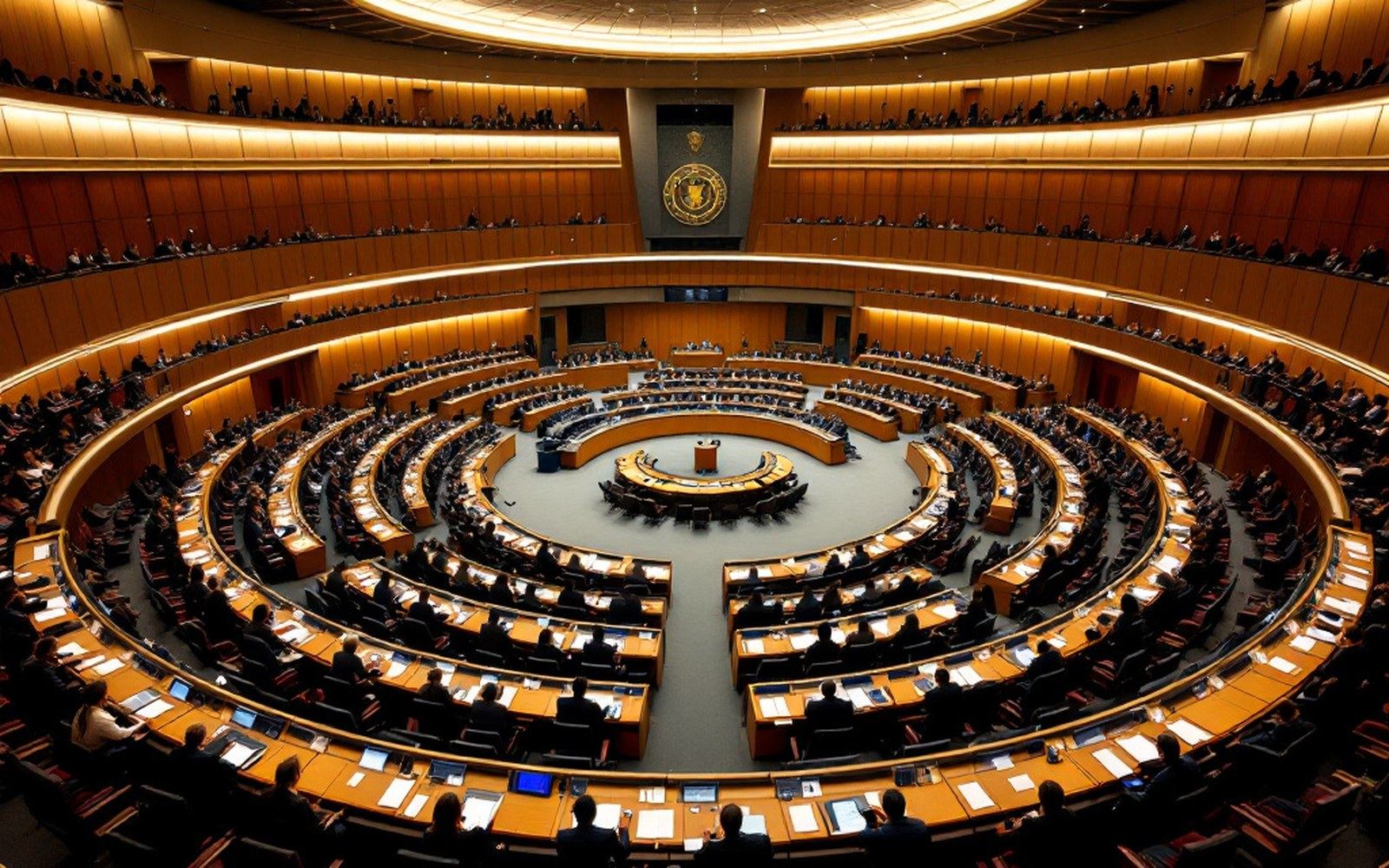
Multilateral conference work, and the standing arrangements that make it repeatable.
Geneva is not the biggest city in Swiss federal life, but it is where the world comes to talk — and has done so, formally, for longer than most international institutions have existed. The United Nations Office at Geneva, housed in the Palais des Nations on the Avenue de la Paix, is the second-largest UN duty station after New York, and the concentration of multilateral conferences it runs — the Human Rights Council, the Conference on Disarmament, UNCTAD sessions — makes language work here something different from a one-off engagement. It is infrastructure.
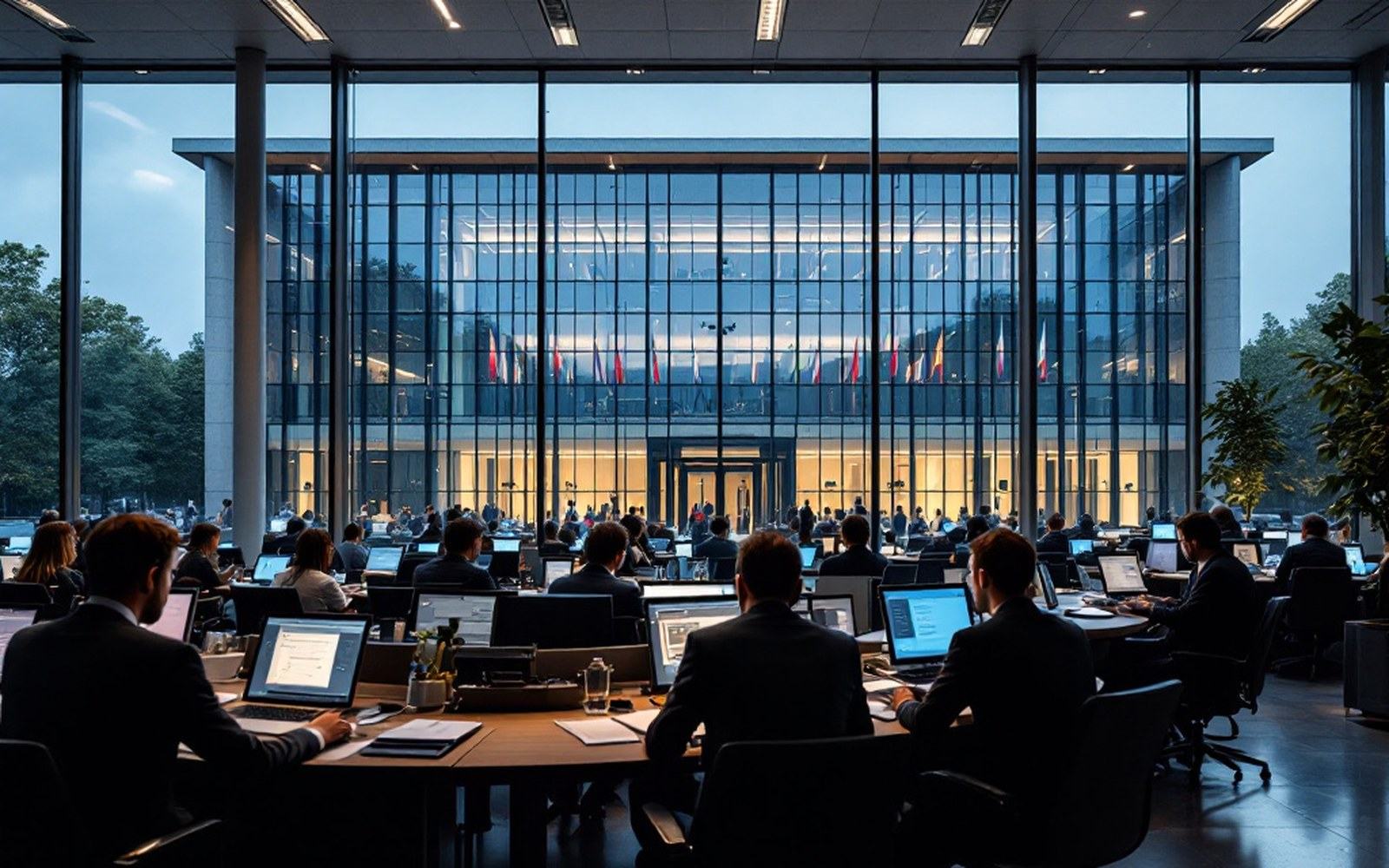
The largest concentration of institutional language work in the world, and the logistics that go with it. Brussels
The UN Office at Geneva employs a permanently established body of staff interpreters and translators, with Arabic, Chinese, English, French, Russian and Spanish as the six official languages of the United Nations. That combination requires not just six working languages but the matrix of language pairs that covers every permissible direction — and when no single interpreter has both the floor language and the target, a relay through a third booth is the only solution. The cost of that relay, in accuracy and latency, is real.
What keeps Geneva's arrangements functional across dozens of conference sessions per year is precisely the standing nature of the setup. Booths in the Palais des Nations are fixed installations built to ISO and AIIC acoustic specifications; the console layouts, sightlines to the rostrum and dedicated conference-management systems are all permanent. Staff interpreters carry institutional memory of recurring agenda items, established terminology and the particular rhythms of specific delegations — knowledge that a freelance team assembled for a single meeting does not arrive with.
The city also hosts the World Health Organization, the International Labour Organization, the World Trade Organization and some two dozen other intergovernmental bodies, each with its own language-service arrangements but drawing from the same professional community. Freelance interpreters accredited to the AIIC supplement staff rosters when conference volume peaks; the combination is what allows Geneva to handle dozens of concurrent meetings during a busy session week.
Terminology is a live concern here. Resolutions drafted in six languages simultaneously — or rather, drafted in one and translated under severe time pressure into five others — require that the same technical or legal concept map to the same term in every version. The UN Terminology Database, UNTERM, exists partly because Geneva demonstrated, across decades of multilateral practice, what happens when it does not.